Regenerative Medicine Using Stem Cell Therapy

Regenerative Medicine using stem cell therapy is a combination of research that includes tissue engineering and molecular biology for the purpose of replacing or regenerating damaged human cells and organs, restoring them to normal function.

Causes and Symptoms of Fibromyalgia Bellingham, WADamaged or diseased cells benefit by using stem cell therapy. This unique therapy helps to stimulate the body’s innate healing ability to treat a wide range of ailments including vascular disease, cardio & neurological disorders,  wounds and joint diseases.

Regenerative medicine is being defined as the vanguard or next evolution of medical treatments.

An overview of the process is diagnosis, implantation, and regrowth of natural cells, tissues or organs that are in need of repair. This is a noninvasive procedure that overrides the need for surgery.

Regenerative medicine includes stem cell therapy where the administration of live stem cells in the patient’s joints or tissue, proceeds to repair and replace the damaged area where the cells are placed.

Utilizing regenerative medicine has proven to have many profound benefits for athletes, weekend warriors, injured workers, and retirees.

Our bodies start at birth with a prolific amount of stem cells that are renewed every month. As we age, the reproduction of stem cells, that are responsible for all healing in our body, diminish. After age 80, the reproduction count of stem cells can be as low as 200, in our entire body, that are responsible for all healing. Therefore, as we age and our joints begin to wear we do not have the ability to heal the joints as we had all through our life. The aging process is accelerated. The aches and pains are magnified and our mobility becomes very limited.

These young stem cells have the ability to adapt to the correct blood type and the correct cell type for the diseased tissue or joint injured.

In North America, regenerative medicine is focused on musculoskeletal disorders, orthopedic diseases that has shown to prevent surgery such as hip, knee and shoulder surgeries. While intravenous applications are still not allowed, platelet rich plasma, (PRP) combined with stem cells can be legally applied for various musculoskeletal disorders.

The source of the stem cells are from ethically and legally collected umbilical cords from healthy “C” section births.

Our mission is to provide our patients access to healthcare that will allow them to live a better quality of life without surgery and drugs.

Call Rindal Clinic now for an appointment to find out more how regenerative medicine can help you live pain-free! Call us now at (360) 416-6308

The post Regenerative Medicine Using Stem Cell Therapy appeared first on Rindal Clinic.
Stem Cell Therapy Replenish Dying Cells And Regenerate Damaged Tissues

Injured cells make us sick – heart cells in a heart attack, liver cells in hepatitis, brain cells in a stroke, stomach cells in peptic ulcers, cartilage cells in arthritic joints, etc. We get well again, if and only if, the body can replace those injured cells with new ones.

STEM CELLS ESSENTIAL FOR HEALING

That’s where adult stem cells (ASC) come into play. We now know that injured cells actually send out a chemical signal that activates the ASC healing system. Production of ASCs in bone marrow is stimulated by this chemical signal causing an elevation in the ASC blood count measurable by special blood tests.

The injured cell chemical signal draws the ASCs into the injured tissues by a process called “homing” or chemotaxis and further stimulates them to clean out the injured tissue debris and to transform into whatever cell type is needed in the injured tissues – brain cells in stroke, heart cells in a myocardial infarction, cartilage in injured joints. ASCs multiply by cell division to replenish dying cells and regenerate damaged tissues.

This transformation of ASCs into cells needed to replace injured cells is what makes a stem cell a stem cell. ASCs are how we heal, it’s as simple as that.

DISEASES AMENABLE TO ASC THERAPY

We know for example that after a stroke, if the ASC blood count does not rise beyond a certain threshold the patient will not recover the neurological defect inflicted by the stroke. Unfortunately, as we age our ability to mount a strong ASC response against disease diminishes, and our ASC blood count is less likely to get high enough to replace all the injured cells needed to reestablish health of the diseased injured tissue.

Researchers have been testing the idea of putting healthy ASCs into patients’ blood when they get chronically ill. Much of this work has been done overseas in the past 10 years with wonderful results. Diseases that are particularly amenable to this type of therapy and include, rheumatoid arthritis, multiple sclerosis, autism, spinal cord injury, cerebral palsy, muscular dystrophy, heart disease and osteoarthritis.

ASC THERAPY ON THE CUSP OF APPROVAL

Many of the ASC techniques are working their way through the FDA approval process and will begin to be available soon in America, which is why it is incumbent on all physicians to familiarize themselves with the accumulation of excellent peer reviewed information on the subject. ASC medicine will soon affect all our practices and many of our patients in the not too distant future.

ASCs UNRELATED TO EMBRYONIC STEM CELLS

It is important to distinguish these healing functions of ASCs from the unrelated type of stem cells called embryonic stem cells (ESC), which are dangerous and of dubious moral and ethical standing. I think Dr. David Stroncek from the National Institute of Health (NIH) said it best in his article in the Journal of Translational Medicine 2011, “… embryonic stem cells are extremely expensive and potentially dangerous, while adult stem cells are inexpensive and have an excellent safety record when used in humans… adult stem cells are a practical, patient-applicable, therapeutics that are very close to being available for incorporation into the practice of medicine.”

Stem Cell Therapy How Does It Work?

Stem cell therapy is an injection treatment designed to heal injuries and reduce pain. Stem cell therapy can be used in the treatment of arthritis and injury to ligaments, tendons, cartilage, or bone. This form of therapy uses your own stem cells as a building block in order to mimic other damaged cells located in the joint. By doing this, your new stem cells are able to work to regenerate the damaged tissue therefore reducing pain and working to heal injuries and damage to your tissue.

What Exactly is a Stem Cell?

Stem cells are the only cells in the body able to change into other types of specialized cells. Stem cells are found in many parts of the body but are concentrated in the bone marrow. The two types of stems cells you may have heard of are embryonic stem cells and human adult stem cells. The major difference between these two cells is their potential to differentiate or morph into specific cells (skin cells, blood cells, bone cells, etc.).

Embryonic stem cells are pluripotent, in other words their future is wide open. They are able to become any type of cell in the human body. Human adult stem cells on the other hand are multipotent. They have the possibility to differentiate into only specific cells. Because of this, utilizing adult stem cells for regenerative treatment is a much better bet. Using your own stem cells is an even better bet.

How Does it Work?

Through a simple and nearly painless 30 minute office procedure, your stem cells are obtained from your pelvic (hip) bone. The practitioner then concentrates the stem cells approximately 7-10 fold in a special centrifuge. The stem cells are then injected back into the patient’s site of injury or damage with ultrasound or imaging guidance. When your stem cells are injected into the damaged area, they amplify the body’s own natural repair efforts by reducing inflammation, accelerating healing, and preventing scarring and loss of function. You are able to leave at the conclusion of the procedure!

How Can Stem Cell Therapy Help Me?

The regenerative power of stem cells can be very effective in a variety of treatments ranging from arthritis to joint injuries. Some common applications are the treatment of osteoarthritis, partial to complete ligament tears, rotator cuff tears, and augmented ACL or PCL reconstruction.

Stem cell therapy may be right for you if you have experienced other therapies, medications, or injections that haven’t been effective or if you have been told you may need surgery but, don’t want to go under the knife. A knowledgeable Regenerative Medicine team will provide patients access to the most advanced treatment options with proven results.

Stem Cell Therapy Importance In Medicine

Every organ in the body is made up of cells that originated as stem cells, which are then differentiated (changed) into different forms.

Stem cells have special ability to become more than one type of cell in the body and also to keep dividing and multiplying without limits. The more potent a stem cell is, the more types of cells it can become. The most potent stem cells are embryonic stem cells, which are found in the very early stages of pregnancy or can be made outside the body using in vitro fertilization. Adult stem cells, which are present throughout life, are less potent but still very important for maintaining overall health. Adult stem cells were first found in bone marrow but now are thought to be present in almost every organ in the body. These adult stem cells also include neonatal stem cells that are found in the umbilical cord and placenta. Finally, induced pluripotent stem cells are adult cells that are reprogrammed in a laboratory to revert back to a stem cell that is similar to an embryonic stem cell.

Stem cells have many medical uses. Stem cells in the bone marrow, called hematopoietic stem cells, are used for bone marrow transplantation in patients with cancer or other blood disorders.

Theoretically, stem cells or their derivatives can be used to restore any tissue in the body that is lost or damaged by either illness or injury. Examples of these potential treatments that are currently being studied include

Restoring bone growth after bone injury

Restoring vision in retinal disease

Restoring nerve cell function in spinal cord injury, Parkinson disease, and Huntington disease

Restoring heart tissue after heart attack

Stem Cell Treatments: What to Watch Out For

Many stem cell treatments are unproven and still experimental. Although stem cells may offer large potential in helping people in the future, they also can be dangerous if used incorrectly. They can travel to the wrong parts of the body and cause problems, and they also have the ability to become tumors.

In recent years, there have been many “stem cell clinics,” both in the United States and around the world, that offer various “stem cell treatments” that are not scientifically proven and not regulated by the US Food and Drug Administration (FDA). These clinics mostly claim to use stem cells from one’s own body fat, bone marrow, and blood, although some use cells from amniotic fluid, placental tissue, umbilical cord tissue, and even unknown sources of cells from other donors. It is unknown whether the cells used are actually stem cells. These clinics tend to engage in false marketing to the public, with promises that stem cell treatments can improve cosmetic appearance as well as help a variety of conditions ranging from arthritis to autism. The FDA is currently in the process of developing guidelines to more strictly regulate these clinics.

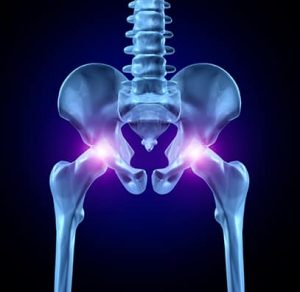
I should have done the “Alternative Hip Replacement,”

Sam said as he looked up from his hospital bed and told me he was in severe pain. The next night Sam again told me of his pain and the location was on his ribs not his hip. On my third night to visit, the pain was still the primary issue. I raised his shirt and his whole side was a dark purple bruise.

Non-Surgical Hip Pain Treatment Bellingham, WAThe night nurse was a friend of the family and discretely told me that Sam had been dropped from the operating table during hip replacement surgery…

Sam was eventually discharged only to discover the surgery was not healing inside properly. A different doctor at a different hospital found a staph infection that he assumed came from the floor of the previous hospital. Sam never walked again. He did not survive a year. This true story happened years ago.

However, there is an alternative to invasive hip surgery where they implant a stainless-steel ball joint, screws and a Teflon cup!

When joint mobility becomes difficult, as a result of worn away cartilage, called arthritis, hip replacement is usually recommended. Hip surgery has some risks, such as infections, reactions to anesthesia, blood clots, and muscle loss*.

Stem cell treatment is an injection procedure of stem cells and protein rich plasma (PRP) into the damaged area where the healing cells rebuild the degenerated cartilage. This non-surgical one-day treatment and release is relatively painless. The recovery healing time to restore your joint takes about the same time you would need to recover from a major hip replacement surgery. The alternative process is called regenerative medicine, using stem cell therapy.

The hip injuries that are treated with stem cell therapy are; osteoarthritis, hip bursitis, hip arthritis, osteonecrosis and avascular necrosis.

Hip replacement surgeries are traumatic, followed by months of discomfort, pain and physical therapy while attempting to recover.

Regenerative Stem Cell Therapy is a better alternative to hip replacement and hip surgery, with less complications, faster recovery and less pain. With regenerative stem cell therapy there is no painful surgery, there is no painful physical therapy, and no hospital stay.

Hip Replacement vs. Regenerative Therapy with Stem Cells

Hip Replacement  is treated with Pain Medicines, long term pain management, hip replacement and physical therapy. These are the primary surgeon’s solution to the patient for hip pain. This elective surgery is very traumatic and followed by months of pain and discomfort while attempting to regain mobility and strength. This choice is coupled with many risks and complications.
Regenerative Therapy with Stem Cells offer a non-surgical injection option for patients considering elective surgery for hip pain. This therapy improves your body’s ability to heal itself naturally.

Regenerative Medicine Therapy with Stem Cells is a better alternative to hip replacement/hip surgery, with a faster, easier recovery and with less complications.

Call for an appointment. Rindal Clinic, Dr. Steve Rindal D.C

                      360-416 6308

The post appeared first on Rindal Clinic.

Regenerative Medicine with Stem Cells

Regenerative Medicine with Stem Cells

is as natural and organic as medicine applied by man can achieve.

In an age of artificial hips, artificial knees, artificial bones and expensive surgery that involves MUCH pain and long recovery times, we have people lined up to be next.

But there is a better, more holistic way to achieve better results for that hip, knee or vertebrae replacement or surgery that has been given as a verdict.

To understand our body’s repair system, let’s start at the beginning. Everyone starts life with their own repair toolbox called, “stem cells”. When you receive a cut, a broken bone, a bruise or injury of any kind, the stem cells that you were born with, rush to the injury to adapt to the kind of cells that were injured and replace them with new cells. We call the process, “Healing.” Healing is not instant, but it starts almost immediately after injury and continues until the area is completely restored. The amount of injury determines the amount of time to heal.

If your injury is degenerated joints, (Joints that have worn out) then we ask why didn’t the joints heal as they were being used?

The answer is all in the math.

When we are born, your body has a stem cell bank. During your life-time you make withdrawals because of injury, disease or a paper cut, broken bones, radiological or chemical exposure. You may be born with millions of stem cells in your stem cell bank at birth. These stem cells duplicate every month. However, as you get older the body duplicates less stem cells each month. As your body reaches age 55 you may only create as few as 200 stem cells a month. This reduction in production accelerates age, causing many age maladies. These stem cells help rejuvenate every organ including your skin every day of your life.

As you age your joints begin to wear, you will find that your stem cell bank is not replenishing as quick as your joints are wearing out.

Therefore, a surgeon will inform you that you need a hip replacement or knee replacement, When, in actually, you need a fresh new deposit of stem cells not in your stem cell bank but directly into the joints to avoid surgery.
Stem cells from an umbilical cord called Mesenchymal stem cells (MSCs) are available for your best regenerative medicine treatment.
Call for an appointment. (360) 416-6308  Rindal Clinic, Mount Vernon Washington.


The post Regenerative Medicine with Stem Cells appeared first on Rindal Clinic.

Knee Joint Replacement Alternative

Knee Replacement also known as Knee arthroplasty

is a surgical procedure to resurface a knee damaged by arthritis or injury. Metal and plastic parts are used to cap the ends of the bones that form the knee joint, as well as the kneecap.

it may take 6 months or longer for some people to recover fully from knee surgery. Getting down on your knees after surgery may not be an option, getting back up on your feet from kneeing on the ground may require assistance.

Knee Pain Mount Vernon, WAYour surgically modified knee will never function like your original knee.

Is there an option to major Knee Surgery? Yes. Regenerative Medicine with Stem Cells.

This is a non-surgical, non-invasive method that allows your body to heal itself, reconditioning the joint by growing new cartilage.

We are all born with the healing and restoring ability of stem cells. These are the cells in our body from birth that are activated whenever our body is injured. We have millions at birth, but they dwindle with age so that at age 55 your body may only be producing as little as 200 a month. As a consequence, joints wear and we develop arthritis.

When our knee joint wears all the natural cushion away and the pain becomes severe to unbearable, knee surgery is recommended. Recently, a new procedure has been used to naturally rebuild the knee joint and restore it to near original condition, in the similar time that it would take to recover from knee arthroplasty.


Understanding Stem Cells and Regenerative Medicine

  • Stem cells, regenerate, how?
  • Most organs in our body have the intrinsic ability to regenerate. This rebuilding in your body is ongoing, all of your life.
  • Skin cells are replaced every 39 days,
  • Heart endothelial Cells are replaced each 6 years,
  • Liver cells replaced every 300-500 days,
  • Internal intestinal cells replaced every 16 years,
  • The skeleton is replaced every 10 years.
  • Stem cells are the building blocks responsible for these organ regeneration processes that never stop in our body.

Stem cells are immature cells that naturally divide. These cells have the potential to remain as a stem cell or transform into another cell that has a specialized function, such as a cartilage cell, bone cell, muscle cell, red blood cell or a nerve cell. Stem cells, used in regenerative medicine, have the ability to multiply and transform into specific cell types (such as the knee cartilage) and then replaces the damaged cells. Stem cells are able to combine with our protein substances, (protein rich plasma, PRP) that can help the body’s repair mechanisms rebuild the damaged tissue.

Stem cells live inside all of us. They are responsible for healing injured bone, ligaments, tendons and tissues. As people age or get injured, there may not be enough of these stem cells available to effectively heal the body. These body repair cells, stem cells, naturally self-renew, allowing for faster recovery and healing of damaged or worn bone or tissue. By injecting fresh new stem cells at the point of injury, the body can begin to heal itself without the use of invasive surgery.

This procedure assists a patient’s own cells to help heal damaged tissues, tendons, ligaments, cartilage, spinal disc, or bone.

Regenerative Medicine with Stem Cells is a viable alternative to elective surgery, Regenerative Medicine with Stem Cells offers the most advanced regenerative therapy solutions for patients suffering from chronic pain or injury to help mitigate painful rehabilitation associated with invasive procedures and downtime due to recovery and therapy.

  1. There are old stem cells (same age as you), harvested from your blood, bone or fat. and
  2. New stem cells (Mesenchymal stem cells (MSCs) only harvested from legal new born umbilical cords. (Half of these cells are stored for the baby’s family and the other half are used for Regenerative Medicine. NEW stem cells renew damage quicker.

Call Rindal Clinic for an interview or appointment:

360 416 6308

The post Knee Joint Replacement Alternative appeared first on Rindal Clinic.

Design a site like this with WordPress.com
Get started